Didn’t they just want to separate from the Union? Isn’t that something they’re allowed to do? I know nothing of US history, so forgive my lack of knowledge
The civil war confirmed it is not a right of the states to secede. We’re the united states, not the loosely affiliated states. Joining is optional, but leaving is impossible.
They wanted to secede from the union to preserve their rights to enslave people. I’m from South Carolina, my ancestors fought for the South, and I say the bastards got off far too easily.
Alabama born and bred, should have hung every land holding slaver along the through fares as a fucking warning to future generations even if that means I wouldn’t have existed.
I hope that my people would have been on the learning side and not the example side (if not somehow pro-Union), but I would tend to agree if it weren’t for my son. Of course, the fact that I married an African-American and have a biracial son is a nice middle finger to any racist ancestors.
Sure, but regardless of their reason for wanting to secede, it was within their rights to do so, right? Like the whole reason for the union was that it was a union of the willing, right? So was the secession actually legal or illegal, given the law at the time?
Like the whole reason for the union was that it was a union of the willing, right?
Not really, no. That was more the idea of the Articles of Confederation, which the Constitution (and thus the Union) replaced.
So was the secession actually legal or illegal, given the law at the time?
There was no provision for secession in US law, and while the legality of secession had not formally been decided on by the Supreme Court at the time, neither was there a serious attempt to go through legal channels - most likely because even the extremely Southern-biased Supreme Court of 1860 still would not have recognized any right to secession.
Someone further down mentioned that the war made it illegal, but the short version is that the south started the war by attacking a federally held fort that was in their territory. If they had never attacked the Union itself, who knows what could have happened. Once the war was on, there was no turning back.
Ok but I wasn’t asking about a war. I was asking if they had the legal right to secede at the time. Correct me if I’m wrong, but your war happened after those states seceded, right? So, forgive my ignorance of the space-time continuum, but that makes the results of the war completely irrelevant to my question, wouldn’t it?
At the time that they seceded, there were no explicit provisions against secession (although it was against convention, the spirit of the law, etc.). The reason I mentioned the war is because they started the war and lost it, which resulted in those legal provisions banning secession being passed. The legal change was the result of the war, after the fact.


Didn’t they just want to separate from the Union? Isn’t that something they’re allowed to do? I know nothing of US history, so forgive my lack of knowledge
The civil war confirmed it is not a right of the states to secede. We’re the united states, not the loosely affiliated states. Joining is optional, but leaving is impossible.
what about schmeceding? has any state tried that?
They wanted to secede from the union to preserve their rights to enslave people. I’m from South Carolina, my ancestors fought for the South, and I say the bastards got off far too easily.
Alabama born and bred, should have hung every land holding slaver along the through fares as a fucking warning to future generations even if that means I wouldn’t have existed.
I hope that my people would have been on the learning side and not the example side (if not somehow pro-Union), but I would tend to agree if it weren’t for my son. Of course, the fact that I married an African-American and have a biracial son is a nice middle finger to any racist ancestors.
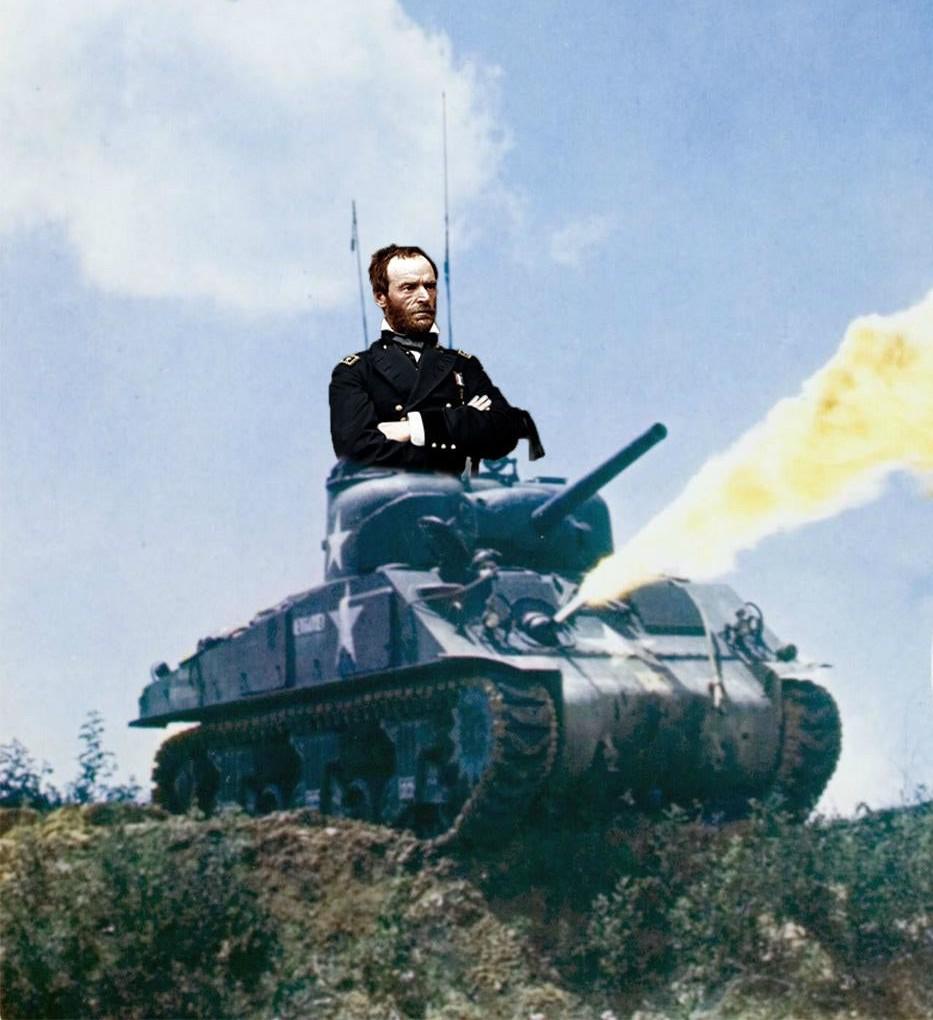
Alabama boys made up Sherman’s escort o7
Sure, but regardless of their reason for wanting to secede, it was within their rights to do so, right? Like the whole reason for the union was that it was a union of the willing, right? So was the secession actually legal or illegal, given the law at the time?
Not really, no. That was more the idea of the Articles of Confederation, which the Constitution (and thus the Union) replaced.
There was no provision for secession in US law, and while the legality of secession had not formally been decided on by the Supreme Court at the time, neither was there a serious attempt to go through legal channels - most likely because even the extremely Southern-biased Supreme Court of 1860 still would not have recognized any right to secession.
Thank you for the serious answer.
Someone further down mentioned that the war made it illegal, but the short version is that the south started the war by attacking a federally held fort that was in their territory. If they had never attacked the Union itself, who knows what could have happened. Once the war was on, there was no turning back.
Ok but I wasn’t asking about a war. I was asking if they had the legal right to secede at the time. Correct me if I’m wrong, but your war happened after those states seceded, right? So, forgive my ignorance of the space-time continuum, but that makes the results of the war completely irrelevant to my question, wouldn’t it?
At the time that they seceded, there were no explicit provisions against secession (although it was against convention, the spirit of the law, etc.). The reason I mentioned the war is because they started the war and lost it, which resulted in those legal provisions banning secession being passed. The legal change was the result of the war, after the fact.